For many, the first real crypto experience may not be buying Bitcoin, trading tokens, or chasing the next big project. It may be receiving, sending, or spending a stablecoin. Stablecoins are becoming a core part of crypto payments because they are designed to keep a steady value, usually close to one U.S. dollar. That makes them easier to understand than highly volatile crypto assets. But this is where many new users make a dangerous assumption: “If it is stable, it must be safe.” That is not always true. Stablecoins can make crypto easier to use, but they still move on crypto rails - Blockchain. That means wallets, networks, transaction fees, fake links, wrong addresses, phishing sites, bad approvals, and irreversible transfers still matter. This guide explains stablecoins in simple terms and what they mean for your crypto journey. According to [DeFiLlama,](https://defillama.com/stablecoins/chains?chartView=hbar) 50.26% of stablecoins live on the Ethereum network. [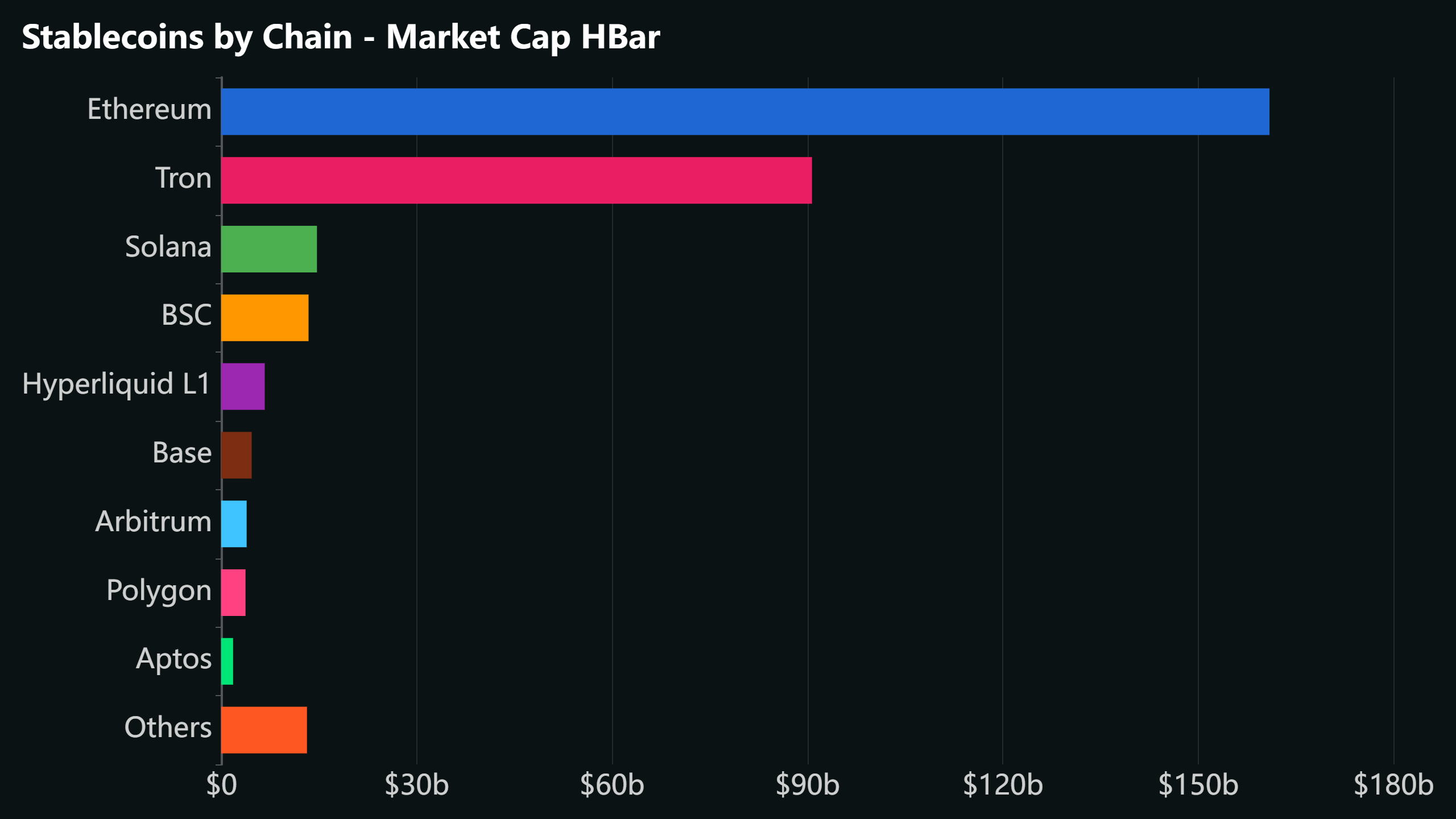](https://defillama.com/stablecoins/chains?chartView=hbar) --- ### What Is a Stablecoin? A stablecoin is a crypto asset designed to hold a stable value. Most commonly, one stablecoin is meant to equal one unit of a real-world currency, such as one U.S. dollar. For example: - 1 USDC is generally designed to be worth about $1. - 1 USDT is generally designed to be worth about $1. - Other stablecoins may be tied to euros, pounds, or other assets. The purpose is simple:* reduce price volatility. Ensure stable value.* If Bitcoin moves up or down sharply, a stablecoin is supposed to remain much more predictable. That makes stablecoins useful for payments, transfers, and holding value temporarily inside crypto platforms. But stablecoins are not the same as money in your bank account. When you send money through a bank, card, or payment app, there may be customer support, fraud review, dispute processes, or chargeback options. With crypto, the experience is different. If you send stablecoins to the wrong address, use the wrong network, approve the wrong contract, or interact with a fake site, the transaction may be impossible to reverse. That is the key lesson: *stablecoins may feel familiar, but the safety rules are different.* Before every stablecoin transaction, the user must slow down and confirm what is happening. Stablecoins are digital tokens. They depend on the *issuer,* the *reserves* behind them, the *blockchain network* they are issued on, the *wallet *you use, and the *platform* where you hold them. ### How Do They Stay "Stable"? How does a digital token maintain a flat price when everything else in crypto is moving? It all comes down to what is backing it behind the scenes. Stablecoins generally fall into a few structural categories: **Fiat-Backed **: These are the most popular and straightforward. For every digital token issued, the company behind it holds a real U.S. Dollar (or safe, short-term equivalent like U.S. Treasury bills) in a traditional banking reserve. Examples include USDC and USDT. **Crypto-Backed**: These are secured by locking up other cryptocurrencies (like Ethereum) as collateral inside a smart contract. Because crypto fluctuates, they are heavily "over-collateralized" to protect against market drops eg DAI **Algorithmic**: These rely on supply-and-demand algorithms to manipulate the token supply and keep the price steady eg USDe from Ethena Labs. These are highly experimental and carry significantly more risk. As seen below, Fiat-Backed crypto(USDC & USDT) dominance stand in the range of 82-90% among all existing stablecoins. 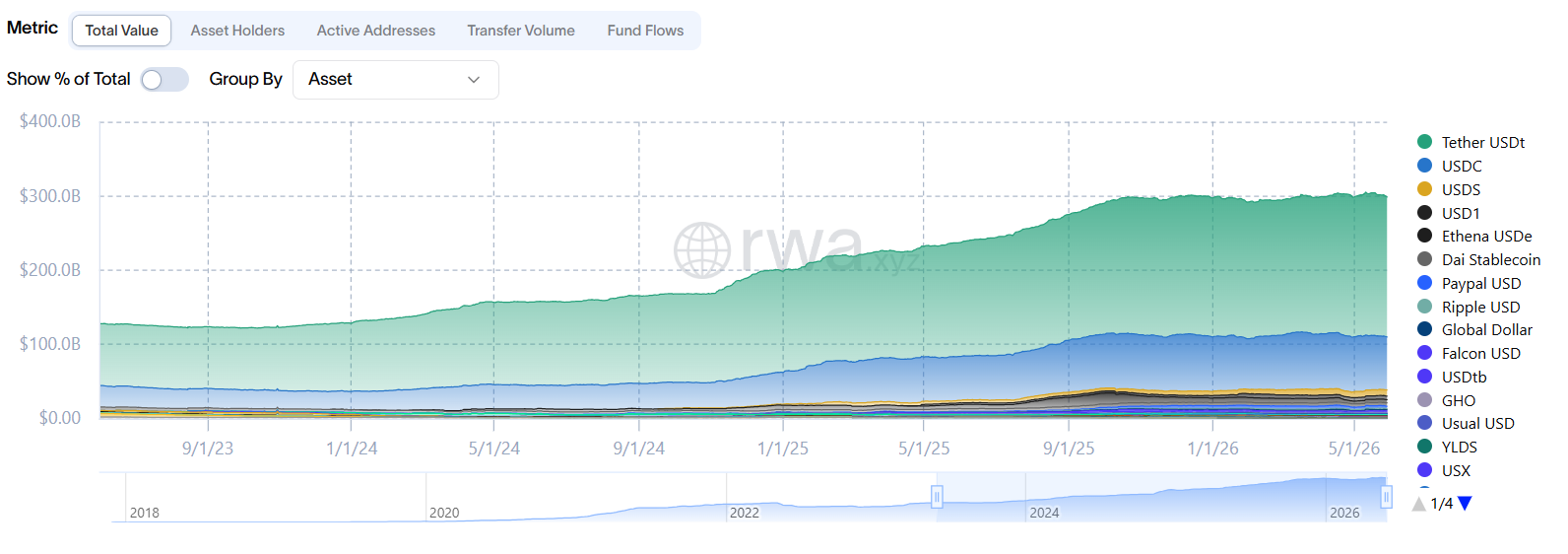 --- ### Why Stablecoins Matter for New Crypto Users Stablecoins are important because they may become the “everyday crypto asset” many people touch first. This interaction is either directly by actively carrying out transactions on the blockchain or indirectly through auto-conversion mechanisms of your dollar into stablecoins by Fintech apps. [Cash App](https://cash.app/press/cash-app-stablecoins-all-customers) just roll out Stablecoin(USDC) to its 59 million monthly active users with the auto-conversion feature for a unified balance representation. A user may interact with stablecoins when they: - Buy crypto on an exchange. - Send money to someone in another country. - Pay for a product or service. - Receive payment from a client or employer. - Move funds between wallets. - Use a crypto debit card or payment app. - Enter a Web3 platform that uses stablecoins. - Test a wallet before buying other assets. This matters because stablecoins make crypto feel more practical. Instead of thinking, “Am I buying a risky asset,” the user may think, “I am just sending digital dollars.” Stablecoins may reduce price volatility, but they do not remove transaction risk. --- ### Where Beginners Will Likely Encounter Stablecoins **1. On Exchanges** Users may buy stablecoins on a centralized exchange before moving them to a personal wallet. This can feel simple, but the user still needs to confirm: - Which stablecoin they are buying. - Which network they are withdrawing on. - Whether the receiving wallet supports that network. - Whether the address is correct. - Whether a small test transfer is needed first. The danger is not always the stablecoin itself. The danger is often the transfer process. Before you send your first stablecoin payment, [Learn](https://cryptostoicmedia.com/) how to verify the token, network, wallet address, and transaction type before you click send. [](https://cryptostoicmedia.com/) **2. In Wallets** Wallets may display stablecoins across different networks. For example, a wallet may show stablecoins on Ethereum, Base, Polygon, Solana, Arbitrum, or another chain. This creates a common beginner problem: The token name may look the same, but the network may be different. Sending USDC on one network to a platform that only supports USDC on another network can cause confusion or loss of access. Safe habit is simple: Do not only check the token. Check the token and the network. **3. In Payments** With the passing of the GENIUS Act, Stablecoins are becoming a core part of the useful for payments infrastructure because they can move quickly and across borders. This may help freelancers, online workers, merchants, families, and international users who want faster settlement. But the payment experience still requires due diligence. Before paying with stablecoins, confirm: - Who is receiving the payment. - The exact wallet address. - The correct network, amount, fees. - Whether the payment is refundable. - Whether the merchant or person is legitimate. A stablecoin payment should not be rushed. Recoveries are highly unlikely. **4. In Scams** Scammers like stablecoins because they are easy to understand, widely used, and move quickly. Also, most crypto lending protocols run on smart contracts with with stablecoins as deposits. This is an attractive honeypot for malicious actors as these liquidity pools are broadcasted on blockchain explorers. A scammer may say: - “Send USDT to unlock your profit.” - “Pay this fee in USDC to withdraw.” - “Deposit stablecoins into this safe yield platform.” - “Connect your wallet to claim stablecoin rewards.” - “Verify your wallet to receive payment.” - “This stablecoin investment is guaranteed.” These are major red flags. A legitimate crypto interaction should not pressure you, confuse you, or promise guaranteed returns. Total value lost to hacks in crypto(reported hacks) is over [$16 billion](https://defillama.com/hacks) to both DeFi and Bridges. [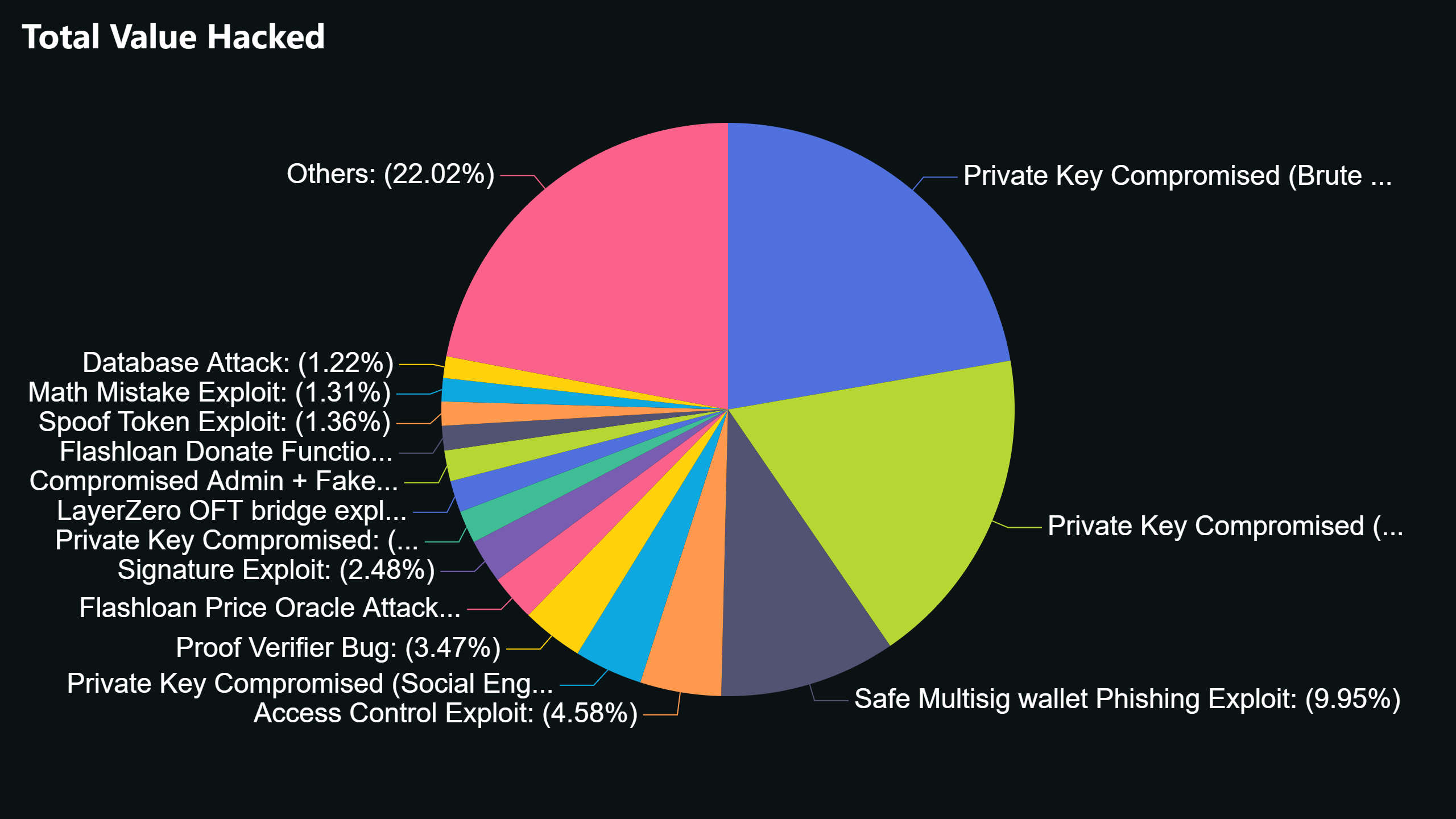](https://defillama.com/hacks) **5. Approval Risk** Some stablecoin interactions require token approvals. An approval gives a smart contract permission to use your token. This can be legitimate, but it can also be dangerous. Before approving stablecoin access, ask: - What site am I using? - What contract is requesting permission? - Is the approval amount limited or unlimited? - Do I trust this platform? - Do I actually need to approve this? We have been signing things in crypto in machine written languages. There is that shift from blind signing to [Clear Signing](https://cryptostoicmedia.com/blog/clear-signing-wallet-approvals-crypto-safety) - human readable instructions before approval. [Protect](https://cryptostoicmedia.com/#pricing) your crypto journey by implementing guardrails, playbooks, scripts and frameworks not as an afterthought, but as a decision framework. [](https://cryptostoicmedia.com/#pricing) --- ### What Stablecoins Mean for Your Crypto Journey The speed at which payment providers are embracing and building rails for stablecoin integrations signals continues growth. Stablecoins may become one of the most practical parts of crypto. They can help people: - Move value faster. - Make cross-border payments. - Avoid some price volatility. - Use crypto without constantly dealing with market swings. - Access onchain apps that require digital dollars. - Learn wallet basics with a more familiar asset. But with such power comes great responsibilties. Its not just an asset, but you are learning how to handle digital money in an environment where mistakes can be permanent. That is why safety must come before speed. Stablecoins may make crypto easier to use, but they do not remove the need for clear habits, careful checks, and strong personal rules. Stablecoins have officially moved from the fringes of crypto trading into the spotlight of global payment infrastructure. By serving as a reliable bridge between the traditional banking world and the open internet, they ensure that your first steps into crypto don't have to be a leap of faith, but with a clear and predictable instrument.